
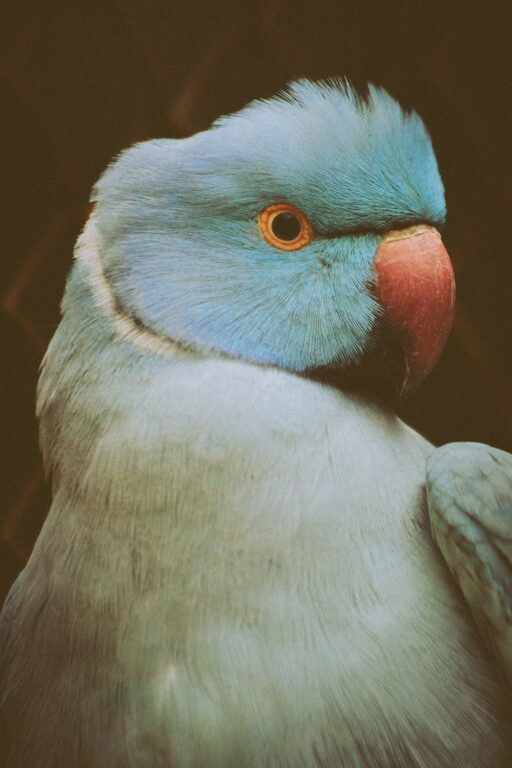
Birdwatching is a wonderful way to connect with nature, relieve stress, and learn about the fascinating world of birds. You don’t need to travel far to enjoy this hobby; your own backyard can be a perfect spot to start. Whether you’re a complete beginner or just looking to enhance your birdwatching skills, these beginner tips will help you get started and make the most of your backyard birdwatching experience.
Why Backyard Birdwatching?
Birdwatching right in your backyard offers many benefits:
– Convenience: No need to travel; you can enjoy birdwatching anytime.
– Learning: Observe bird behavior and identify species up close.
– Relaxation: Spending time outdoors watching birds can be calming.
– Wildlife support: Feeding and providing habitat helps local bird populations.
Now, let’s dive into some tips to make your backyard birdwatching enjoyable and successful.
1. Set Up Your Backyard to Attract Birds
Creating a welcoming environment for birds is key to seeing a variety of species.
Provide Food Sources
Bird feeders are a great way to attract birds to your yard. Here’s how to get started:
– Choose the right feeders: Tube feeders, platform feeders, and suet cages each attract different kinds of birds.
– Select appropriate birdseed: Black oil sunflower seeds, nyjer, and millet attract a range of birds.
– Keep feeders clean: Regularly wash feeders to prevent disease.
Offer Fresh Water
Birds need water for drinking and bathing. Consider:
– Placing a birdbath in your yard.
– Keeping the water fresh and clean.
– Adding a fountain or dripper to keep water moving, which attracts more birds.
Create Shelter and Nesting Spots
Birds seek safe places to rest and nest. You can:
– Plant native trees and shrubs.
– Install birdhouses suitable for local species.
– Leave leaf litter or brush piles as natural habitat.
2. Equip Yourself with Basic Birdwatching Tools
While not necessary, these tools can enhance your experience.
Binoculars
A decent pair of binoculars will let you see birds clearly from a distance without disturbing them. Look for lightweight, easy-to-use binoculars with moderate magnification (7x to 10x).
Field Guide or Bird Identification App
Learning to identify birds is part of the fun:
– Use a printed field guide with pictures and descriptions of local birds.
– Download a bird ID app to help identify species quickly and keep track of your sightings.
Notebook or Journal
Keep notes about what you see — species, numbers, behaviors, and dates. This helps track your progress and recognize patterns over time.
3. Learn to Observe Quietly and Patiently
Birds are delicate creatures that easily get startled by noise and sudden movements. Here are some tips:
– Find a comfortable spot where you can remain still.
– Move slowly if you need to adjust your position.
– Avoid loud talking or noises.
– Use binoculars to observe from a distance rather than approaching birds.
Patience is often rewarded as some of the most interesting bird behaviors appear when you wait quietly.
4. Know When and Where to Watch
Bird activity changes throughout the day and by season.
Best Times of Day
– Early morning: Birds are most active at dawn when they forage and sing.
– Late afternoon: Another good time for bird activity before settling in for the night.
Try to spend at least 15-30 minutes watching during these times.
Seasonal Changes
Bird species you see may vary by season as some migrate or breed. Keep this in mind and enjoy learning about these natural cycles.
5. Respect Birds and Their Habitat
A responsible birdwatcher respects wildlife:
– Avoid disturbing nests or birds.
– Don’t feed birds inappropriate food (e.g., bread or junk food).
– Keep pets indoors or supervised while birdwatching.
6. Join a Community
Birdwatching is more fun with others:
– Join local birdwatching groups or clubs.
– Participate in popular events like the Great Backyard Bird Count.
– Share your observations and learn from others’ experiences.
Final Thoughts
Backyard birdwatching is an accessible and rewarding hobby that anyone can enjoy. By creating a welcoming environment for birds, equipping yourself with simple tools, observing patiently, and respecting wildlife, you’ll open the door to a deeper appreciation of the natural world just outside your window.
So grab your binoculars, grab a cup of tea, and start watching—you never know what feathered friends might visit your backyard next! Happy birdwatching!