
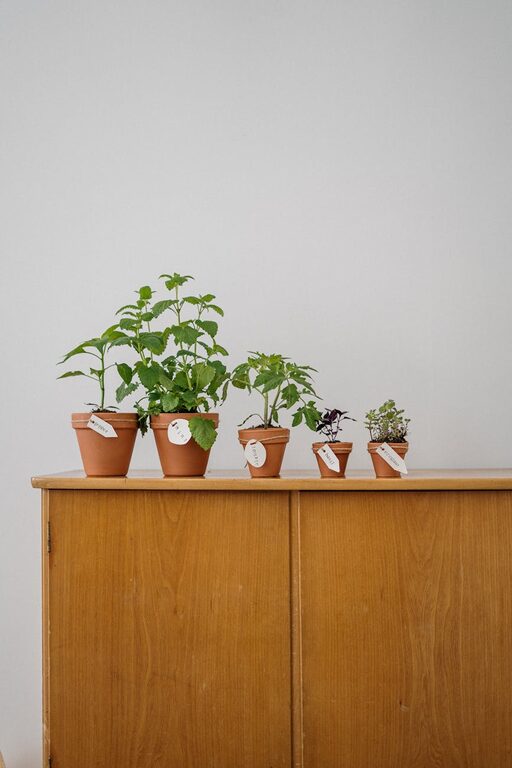
Starting a small herb garden indoors is a rewarding way to bring fresh flavors to your kitchen and a touch of greenery to your home. Whether you have a sunny windowsill or a small corner of your living space, growing herbs indoors can be both enjoyable and practical. This guide will walk you through everything you need to know to start your own indoor herb garden successfully.
Why Grow Herbs Indoors?
Growing herbs indoors has many benefits:
– Fresh herbs whenever you need them
– Cost-effective compared to buying fresh herbs often
– Adds natural fragrance and greenery to your home
– Perfect for apartments or homes without outdoor space
Choosing the Right Herbs for Indoor Growth
Not all herbs thrive indoors, so choosing suitable varieties is important. Here are some popular and easy-to-grow indoor herbs:
– Basil: Ideal for sunny spots; use in salads, pasta, and pesto.
– Mint: Grows quickly and can tolerate less light; great for teas and desserts.
– Parsley: Prefers moderate light; versatile in cooking.
– Chives: Needs bright light; adds mild onion flavor.
– Thyme: Does well in sunny windows; a staple in many dishes.
– Oregano: Loves sun; perfect for Mediterranean recipes.
– Cilantro: Prefers cooler temps and bright light; use fresh in salsas and salads.
Selecting the Right Containers
The best containers for indoor herb gardening should have good drainage. Consider these tips:
– Use pots with drainage holes to prevent waterlogging.
– Clay or terracotta pots are good choices as they allow air flow.
– You can also use recycled containers, just add holes at the bottom.
– Choose containers that fit your space and allow room for roots to grow.
Soil and Planting
Herbs need well-draining soil rich in organic matter:
– Use high-quality potting mix formulated for indoor plants.
– Avoid using garden soil as it may compact and hinder drainage.
– Fill your pot with soil, leaving about an inch from the top.
– Sow seeds or transplant seedlings according to the seed packet instructions.
– Lightly water after planting to settle the soil.
Light Requirements for Indoor Herbs
Light is one of the most important factors for healthy herb growth:
– Most herbs need 6-8 hours of bright, indirect sunlight daily.
– A south-facing window is usually ideal.
– If natural light is insufficient, consider using a grow light for 12-16 hours a day.
– Rotate pots regularly to ensure even light exposure and growth.
Watering and Humidity Tips
Proper watering is key to prevent root rot or dryness:
– Water when the top inch of soil feels dry to the touch.
– Avoid overwatering; excess moisture can cause fungal problems.
– Use a spray bottle to mist herbs like mint and cilantro, which enjoy humidity.
– Grouping plants together can also help maintain humidity.
Fertilizing Your Indoor Herb Garden
Indoor herbs benefit from light feeding:
– Use a balanced, water-soluble fertilizer once every 4-6 weeks.
– Dilute fertilizer to about half the recommended strength to avoid overfeeding.
– Organic options like compost tea or fish emulsion are great alternatives.
– Avoid excessive fertilizer, which can reduce flavor quality.
Pruning and Harvesting Your Herbs
Regular pruning encourages bushier growth and prevents legginess:
– Pinch off the tips of herbs once they are 6 inches tall.
– Harvest leaves often, but never remove more than one-third of the plant at a time.
– Use clean scissors or fingers to avoid damaging the plants.
– Enjoy fresh herbs in your cooking or dry them for later use.
Troubleshooting Common Issues
Even with care, problems can arise. Here are common issues and solutions:
– Yellow leaves: Usually a sign of overwatering or poor drainage.
– Leggy growth: Often caused by insufficient light; move plants to a brighter spot.
– Pests: Keep an eye out for aphids or spider mites; treat with insecticidal soap or neem oil.
– Wilting: Check soil moisture and drainage.
Additional Tips for a Successful Indoor Herb Garden
– Group herbs with similar water and light needs together.
– Clean leaves occasionally to remove dust and improve photosynthesis.
– Label your herbs to avoid confusion.
– Experiment with growing herbs in hydroponic setups if you prefer soil-free gardening.
Conclusion
Starting a small herb garden indoors is a simple, enjoyable project that adds fresh flavors and greenery to your home. With the right herbs, containers, light, and care routine, you can enjoy homegrown herbs all year round. Whether you are a cooking enthusiast or a beginner gardener, growing herbs indoors is a fulfilling way to connect with nature and enhance your meals.
Happy gardening!